What Happens in a Real Music Lesson
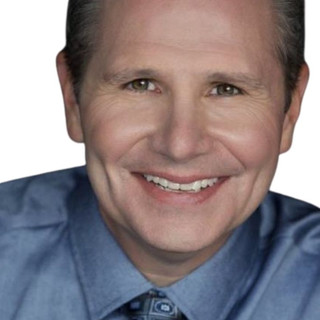
By Dr. Bob Lawrence, Director of The Dallas School of Music
Real Music Lessons: Introduction
Many students begin music lessons without fully understanding what a lesson is supposed to accomplish.
To some, a lesson is simply:
playing songs
receiving assignments
correcting mistakes
But professional music education is far more than that.
A real music lesson is structured.
It is guided.
And it is designed to support long-term development.
A Music Lesson Is Part of a Larger Process
A lesson should never feel isolated or random.
Each lesson should connect to:
previous instruction
current development
future goals
In structured music education, teachers are not simply reacting to what happens during the lesson.
They are guiding a process.
This is why students enrolled in professional music lessons experience more consistent progress over time.
What Actually Happens During a Lesson
In a structured lesson environment, several things are happening simultaneously.
Teachers are:
evaluating development
identifying weaknesses
reinforcing strengths
correcting habits
introducing new concepts
guiding application
Students are not simply “playing.”
They are learning how to think, listen, observe, and respond musically.
This is what transforms a lesson from an activity into education.
Why Real-Time Feedback Matters
One of the most important parts of a music lesson is immediate correction.
When mistakes go unnoticed:
Incorrect habits develop
technique becomes inconsistent
frustration increases
But when feedback happens in real time, students begin to understand:
What needs adjustment
How improvement happens
How progress is built
This process of correction and refinement is essential to long-term growth.
Lessons and Practice Work Together
As explored in what real practice looks like between music lessons, practice and lessons serve different purposes.
Lessons provide:
guidance
structure
direction
Practice reinforces and develops what was introduced during the lesson.
Without guidance, practice becomes uncertain.
Without practice, lessons cannot produce lasting results.
The two are connected.
The Teacher’s Role Is to Guide Development
Professional teaching is not simply giving information.
It is guiding progress step by step.
Teachers help students:
approach difficult material
understand problems
develop consistency
build confidence through understanding
As discussed in why clear expectations matter in music lessons, students thrive when learning is clear and organized.
This is what structured instruction provides.
What Students Should Leave a Lesson With
At the end of a lesson, students should leave with clarity.
They should understand:
What they are working on
What needs improvement
How to practice
What success should look like before the next lesson
When students leave confused, progress slows.
When students leave with direction, progress continues between lessons.
Why This Matters
Families exploring music lessons often evaluate programs based on convenience or short-term excitement.
But the more important question is:
“What kind of educational process is being provided?”
Because long-term growth depends on:
structure
consistency
sequencing
guidance
Without these elements, progress becomes unpredictable.
A Final Thought
A real music lesson is not about filling time.
It is about guiding development.
At The Dallas School of Music, lessons are designed to build:
understanding
consistency
independence
long-term growth
Because music education is not simply about learning songs.
It is about learning how to musically grow.
Many concerns regarding professional music lessons are addressed in our Questions and Answers and explored further throughout the DSM Minute Podcast.
About the Author

Dr. Bob Lawrence is the Director of The Dallas School of Music and an internationally recognized music educator. He holds advanced degrees in music and has spent decades teaching students of all ages, from beginners to advanced musicians.
Dr. Lawrence is also the founder of Jazz Piano Skills, a global jazz education platform, podcast, and membership community serving musicians worldwide. His work focuses on structured learning, conceptual clarity, and long-term musical development.


Comments