Lessons Teach. Practice Builds. What Real Practice Looks Like Between Music Lessons in Dallas
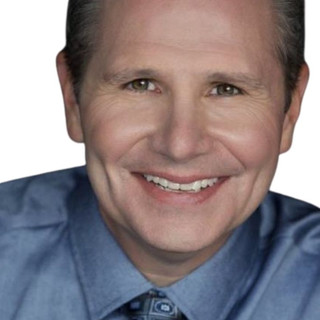
By Dr. Bob Lawrence, Director of The Dallas School of Music
Introduction
In music education, one of the most important distinctions is also one of the most misunderstood:
What happens in the lesson — and what happens between lessons.
Lessons do not exist for practice.
They exist to provide clarity, instruction, and direction.
Practice is where development occurs.
At The Dallas School of Music, we believe this distinction is essential.
Because when students understand it, progress becomes intentional—especially for families exploring music lessons in Dallas.
What Happens in a Lesson
A lesson is not a practice session.
It is a structured environment where students are guided through the learning process.
In each lesson, students receive:
• Clear instruction
• Demonstration of new material
• Correction and refinement
• Explanation of concepts
• Direction for what to do next
Lessons illuminate the path forward.
They show students how to improve.
This is the foundation of both in-person music lessons and online music lessons.
What Happens Between Lessons
This is where growth happens.
Practice is the process of developing what was introduced in the lesson.
It is where students:
• Reinforce new skills
• Build coordination and control
• Strengthen understanding
• Develop consistency
Lessons provide the roadmap.
Practice is the journey.
Why Practice Is Often Misunderstood
Many students approach practice without structure.
They may:
• Play through pieces from beginning to end
• Repeat mistakes without correction
• Practice inconsistently
• Focus on time instead of results
This creates activity — but not always progress.
Without guidance, practice becomes guesswork—even for students enrolled in piano lessons in Dallas.
What Real Practice Actually Looks Like
Effective practice is intentional and focused, guided by the same principles of clear expectations in music lessons.
It is not about playing more.
It is about working with purpose.
Real practice includes:
• Working in small sections
• Slowing down for accuracy
• Isolating difficult passages
• Repeating with awareness
• Making immediate corrections
Practice is not performance.
It is preparation.
These ideas build directly on the importance of clear expectations in music lessons, which guide students toward more effective work between lessons.
The Connection Between Lessons and Practice
Lessons and practice are not separate.
They are connected—whether a student is enrolled in in-person music lessons or participating in online music lessons.
What is taught in the lesson must be applied during the week.
Students should leave each lesson knowing:
• What to practice
• How to practice it
• Why it matters
• What improvement should look like
This clarity reflects the same principles discussed in our Common Chord perspective on structure and long-term musical growth.
The Role of the Teacher
Students are not expected to figure this out on their own.
A professional music instructor:
• Teaches students how to practice
• Breaks skills into manageable steps
• Provides clear, actionable direction
• Reinforces consistency over time
At The Dallas School of Music, we do not assume students know how to practice.
We teach it—deliberately and consistently.
These principles are also reinforced throughout The DSM Minute Podcast, where we explore how structured learning supports long-term development.
Why This Matters in Music Lessons in Dallas
Families exploring music lessons in Dallas are often presented with many options.
But one of the most important differences between casual and professional instruction is this:
Are students being taught how to practice—or expected to figure it out on their own?
In unstructured environments:
• Practice is inconsistent
• Progress is unpredictable
In structured programs:
• Practice is guided
• Progress is measurable
• Development is sustained
This is what separates short-term activity from long-term growth.
What Real Progress Looks Like
When students practice effectively, the results become clear.
They become:
• More focused
• More confident
• More independent
• More consistent in their playing
Progress becomes steady.
And students start to take ownership of their learning.
A Simple Truth
Lessons are not where students get better.
They are where students learn how to get better.
That distinction changes everything.
Choosing the Right Approach
Music education should provide more than assignments.
It should provide direction.
At The Dallas School of Music, we believe meaningful progress is built through structure, clarity, and consistency.
And that begins with understanding the relationship between lessons and practice.
If you are exploring music lessons in Dallas and want an approach that supports long-term development, we invite you to review our Enrollment Plans or begin your Student Profile today.
About the Author

Dr. Bob Lawrence is the Director of The Dallas School of Music and an internationally recognized music educator. He holds advanced degrees in music and has spent decades teaching students of all ages, from beginners to advanced musicians.
Dr. Lawrence is also the founder of Jazz Piano Skills, a global jazz education platform, podcast, and membership community serving musicians worldwide. His work focuses on structured learning, conceptual clarity, and long-term musical development.


Comments