Why Foundations Matter More Than Speed in Music Education
- Bob Lawrence
- Feb 1
- 3 min read
Updated: Feb 16
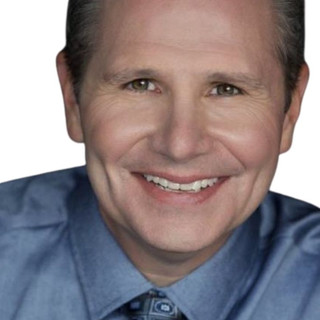
By Dr. Bob Lawrence, Director of The Dallas School of Music
One of the most common moments I witness in music lessons happens quietly, usually a few months into study.
A student is practicing regularly. Lessons are consistent. Progress is happening — yet it doesn’t feel fast enough. Parents may begin to wonder whether things should move more quickly. Adult learners sometimes ask whether they’re “behind.” Even teachers feel the pressure to push ahead.
That moment is important because how it’s handled often determines whether a student builds lasting skills or begins chasing progress that won’t hold.
In music education, speed is tempting. Foundations are essential.
The Misunderstanding About Progress
Many people assume progress in music should look linear: new songs, new skills, visible advancement every week. When that doesn’t happen, it’s easy to believe something is wrong.
In reality, much of the most important progress in music is internal. It’s happening in posture, hand position, rhythmic stability, tone control, and listening skills. These are not flashy achievements, but they are the building blocks that allow everything else to work.
When students move too quickly past these fundamentals, progress may appear faster in the short term, but it often leads to frustration later. Gaps begin to show. Confidence wavers. Teachers are forced to circle back and rebuild what was rushed.
Strong foundations prevent that cycle.
What Strong Foundations in Music Education Actually Create
Foundations do more than support future learning — they enable it.
When a student understands how to sit at the instrument, how to produce sound efficiently, how rhythm functions, and how to practice effectively, progress begins to accelerate naturally. There’s less guesswork. Fewer obstacles. More confidence.
At that point, learning feels easier, not because the material is simpler, but because the student is prepared.
This is true for both young beginners and adult learners. Adults often bring motivation and focus, but still benefit from slowing down at the beginning. Children may be eager to move ahead, but thrive when structure and consistency guide them.
Foundations create freedom. They allow students to move forward without constantly correcting backward.
Why Rushing Often Feels Necessary
Pressure to move quickly doesn’t come from a lack of care — it usually comes from good intentions.
Parents want to see progress. Students want reassurance. Teachers want to encourage momentum. In a world where results are expected immediately, patience can feel uncomfortable.
But music does not reward impatience. It rewards consistency, attention, and thoughtful guidance. When speed becomes the priority, learning becomes fragile. When understanding becomes the priority, progress becomes reliable.
As educators, part of our responsibility is helping families and students understand that not all progress is visible right away — and that invisible progress is often the most important kind.
What This Means for Students, Families, and Teachers
For students, it means trusting the process even when growth feels subtle. For families, it means recognizing that steady habits matter more than rapid milestones. For teachers, it means resisting the urge to rush in favor of building something that lasts.
At The Dallas School of Music, we believe that quality education is not about how quickly a student moves through material, but how confidently they understand it. When foundations are strong, progress follows — and it stays. Strong foundations in music education give students the confidence and clarity they need to grow steadily over time.
Music is a long-term journey. When built thoughtfully, it becomes a source of confidence, expression, and enjoyment for years to come.
About the Author

Dr. Bob Lawrence is the Director of The Dallas School of Music and an internationally recognized music educator. He holds advanced degrees in music and has spent decades teaching students of all ages, from beginners to advanced musicians.
Dr. Lawrence is also the founder of Jazz Piano Skills, a global jazz education platform, podcast, and membership community serving musicians worldwide. His work focuses on structured learning, conceptual clarity, and long-term musical development.


Comments