Quality Music Education: How the Right Music Teacher Changes Everything
Updated: Apr 9
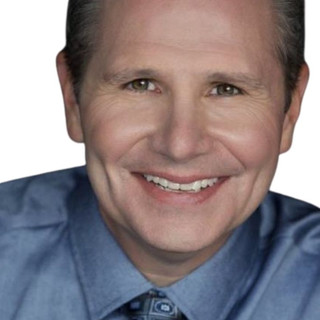
By Dr. Bob Lawrence, Director of The Dallas School of Music
Why Quality Music Education Still Matters Today
At its core, quality music education is not about speed or shortcuts—it’s about thoughtful instruction, strong relationships, and long-term musical growth.
After more than three decades of teaching, mentoring, and training musicians of all ages, I can say this with complete confidence:
The right teacher doesn’t just teach music — they shape how a student thinks, practices, and grows.
Parents often ask me what matters most when choosing a music school. Is it a curriculum? Credentials? Practice expectations? Scheduling?
Those things matter — but they all come after one essential factor: the relationship between the student and the teacher.
A Great Teacher Does More Than Give Instructions
Anyone can assign exercises, correct notes, or count rhythms.A great teacher does something far more important:
They help students understand how to learn.
That means:
Knowing why something matters, not just what to play
Learning how to practice efficiently, not endlessly
Building confidence through clarity, not pressure
When students understand the process, frustration disappears — and progress accelerates.
Why Credentials Matter (But Aren’t the Whole Story)
At The Dallas School of Music, our faculty is carefully selected not only for their academic training and performance experience, but for their ability to teach with purpose.
A degree alone doesn’t make a great teacher. Experience alone doesn’t either.
What matters is the ability to:
Communicate clearly
Adjust instruction to the individual student
Recognize when a student needs encouragement versus challenge
Build structure without stifling creativity
This balance is what separates true educators from instructors who simply “get through the lesson.” (Unfortunately, these teachers are very common)
Consistency Builds Confidence
One of the most overlooked aspects of music education is consistency.
Students thrive when:
Lessons follow a clear structure
Expectations are communicated early
Progress is measured intentionally
Teachers reinforce the same core principles week after week
When students know what to expect, they feel safe taking musical risks — and that’s where real growth happens.
Music Lessons Should Support the Whole Student
Music education isn’t just about notes and rhythms. It teaches:
Focus
Discipline
Listening
Patience
Problem-solving
Self-expression
When taught correctly, music becomes a powerful tool for personal development — especially for children and teens navigating school, social pressures, and confidence challenges.
This is why we view music lessons not as an extracurricular activity, but as an investment in long-term growth.
Finding the Right Match Matters
Every student is different. Every learning style is different.
That’s why we place such a strong emphasis on matching students with the right teacher — someone who aligns with their goals, experience level, and personality.
When the match is right:
Practice becomes more productive
Lessons become more engaging
Progress becomes visible
And most importantly, students begin to enjoy the process of learning.
Final Thought
The right teacher can change how a student sees music — and how they see themselves.
That responsibility is something we take seriously at The Dallas School of Music, and it’s at the heart of everything we do.
If you’re considering music lessons for yourself or your child, don’t just ask what is being taught. Ask who is doing the teaching — and how they guide the journey.
That’s where the difference lies!
Great Educators → Meet Our Faculty
Enrollment process → Enrollment Plans
Find the right teacher → Student Profile
Music lessons in Dallas → The Dallas School of Music
About the Author

Dr. Bob Lawrence is the Director of The Dallas School of Music and an internationally recognized music educator. He holds advanced degrees in music and has spent decades teaching students of all ages, from beginners to advanced musicians.
Dr. Lawrence is also the founder of Jazz Piano Skills, a global jazz education platform, podcast, and membership community serving musicians worldwide. His work focuses on structured learning, conceptual clarity, and long-term musical development.


Comments