How Students Develop Independence in Music Study
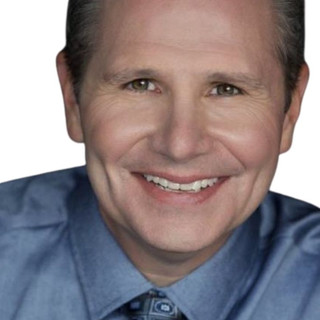
By Dr. Bob Lawrence, Director of The Dallas School of Music
Independence in Music Study: It Is Taught
Many people assume independent musicians are simply self-motivated.
They seem naturally disciplined.
They solve problems on their own.
They practice without constant reminders.
But independence is rarely an inborn trait.
It is developed.
And it is one of the most important outcomes of structured music education.
Learning How to Learn
Students often begin lessons depending heavily upon their teacher.
They need direction.
They need correction.
They need encouragement.
This is exactly how learning should begin.
But over time, the goal changes.
Students gradually learn:
How to evaluate their own playing
How to recognize mistakes
How to solve musical problems
How to practice with purpose
Eventually, they become active participants in their own development.
As discussed in How Teachers Guide Musical Development, effective instruction gradually transfers responsibility from teacher to student.
Independence Requires Structure
Students do not become independent simply by being left alone.
Without guidance, uncertainty often increases.
Students may:
repeat mistakes
practice inefficiently
become frustrated
lose confidence
True independence grows from structure.
Students first experience clear expectations.
Then, consistent routines.
Then meaningful progress.
Only then do they begin making strong musical decisions on their own. Only then, independence in music study begins!
Confidence Leads to Independence
Students who understand what they are doing become increasingly confident.
They no longer rely upon constant reassurance.
Instead, they begin trusting the skills they have developed.
As explored in How Students Build Confidence in Music Lessons, confidence grows through competence.
That confidence naturally supports independence.
Students begin thinking before asking.
Listening before reacting.
Solving before giving up.
Practice Becomes More Intentional
Independent students do more than simply practice longer.
They practice more intelligently.
They begin asking questions like:
What am I trying to improve?
Why am I making this mistake?
How can I solve this problem?
What should I focus on next?
These questions demonstrate ownership.
They show that learning is becoming internal rather than dependent upon constant supervision.
This is one reason in-person music lessons remain so valuable.
Teachers model this process until students gradually adopt it themselves.
The Teacher's Role Changes
As students mature, the teacher's role evolves.
Teachers continue providing:
guidance
accountability
perspective
new challenges
But students assume increasing responsibility for their own growth.
Rather than simply receiving information, they begin applying principles independently.
This is one of the clearest signs of meaningful musical development.
What Parents Should Recognize
Parents often notice independence outside of music long before they recognize it within lessons.
Students may begin:
organizing practice without reminders
approaching difficult material with confidence
solving problems independently
accepting correction positively
These habits extend beyond music.
Families exploring our Enrollment Plans often discover that structured music education supports the development of responsibility, discipline, and independent thinking alongside musical growth.
Many additional questions about this educational process are addressed throughout our Questions and Answers page.
A Final Thought
At The Dallas School of Music, we believe great teachers do more than teach music.
They teach students how to learn.
That ability remains long after individual pieces have been forgotten.
Structure creates understanding.
Understanding creates confidence.
Confidence develops independence.
And independent learners continue growing for a lifetime.
These ideas are explored each week through the DSM Minute Podcast, where we discuss the principles that support meaningful music education and long-term student success.
About the Author

Dr. Bob Lawrence is the Director of The Dallas School of Music and an internationally recognized music educator. He holds advanced degrees in music and has spent decades teaching students of all ages, from beginners to advanced musicians.
Dr. Lawrence is also the founder of Jazz Piano Skills, a global jazz education platform, podcast, and membership community serving musicians worldwide. His work focuses on structured learning, conceptual clarity, and long-term musical development.


Comments